RESILIENCE
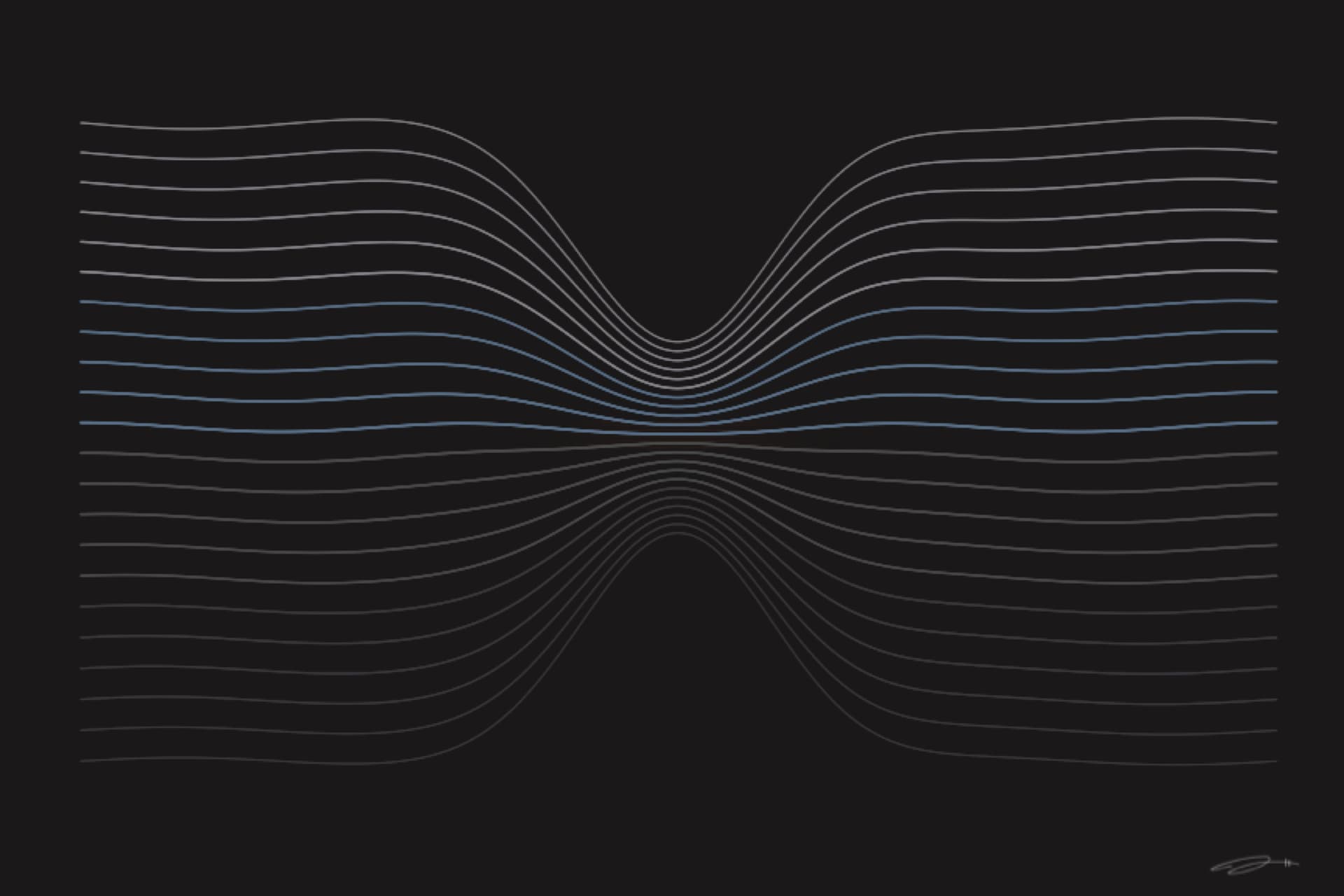
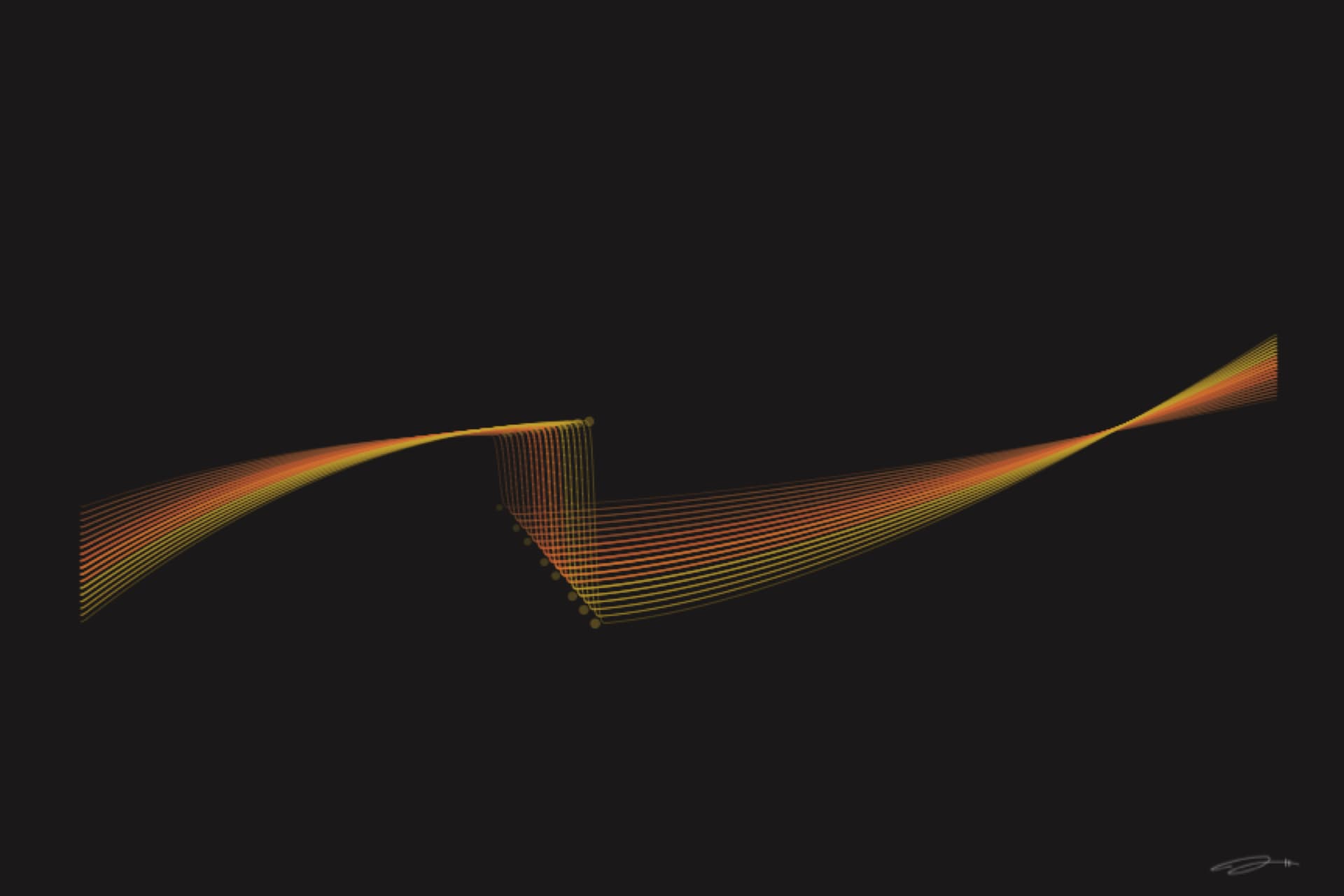
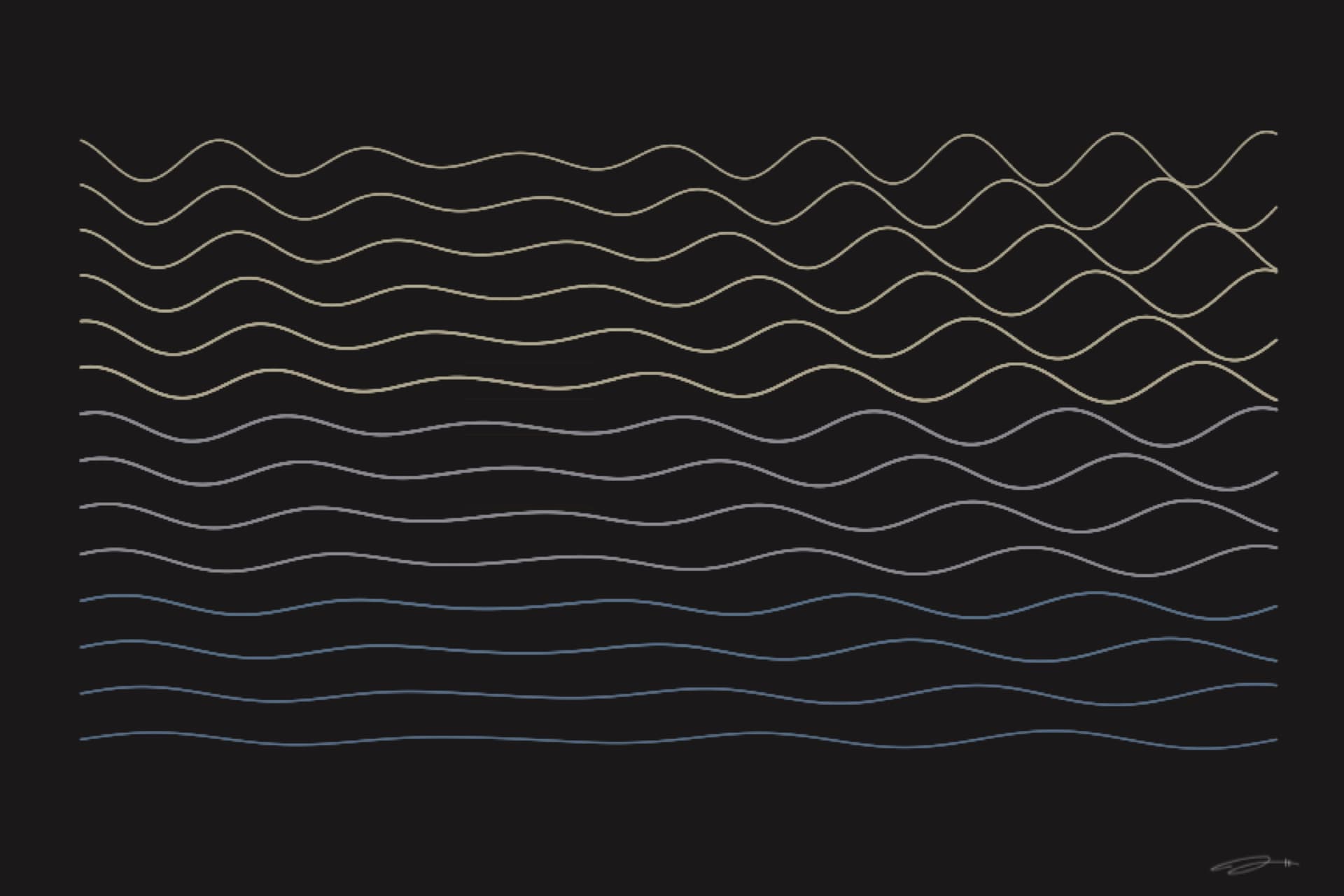
Stronger where it was hit. Systems that break and reform past where they started.
Strain hardening, post-traumatic growth, and overshoot recovery. Systems that return — often stronger — after being pushed past their limits.
56 renders. 3 survived.
The Complete RESILIENCE Series — 3 Pieces
From $45 each — museum-grade Hahnemuhle German Etching prints.
Free shipping on every order. Collect the full series and see the emotion unfold.
Fine Art Prints
Hahnemuhle German Etching 310gsm — museum-grade matte.
12×8" — $45 | 24×16" — $95 | 36×24" — $175 | 48×32" — $295
48 × 32 available on select pieces · Free shipping — 5-10 business days · Framing guide
▶The Story Behind This Series
Resilience is not endurance. Endurance holds. Resilience breaks and reforms. The mathematics of recovery — systems that overshoot their original baseline after perturbation, materials that harden under stress, networks that reroute around damage — describe the geometry of coming back.
Mathematical primitive: overshoot recovery, strain hardening, network repair