GRIEF
The mathematics of what disappears. Warmth that spreads until you can't find the source. Steps that only go down.
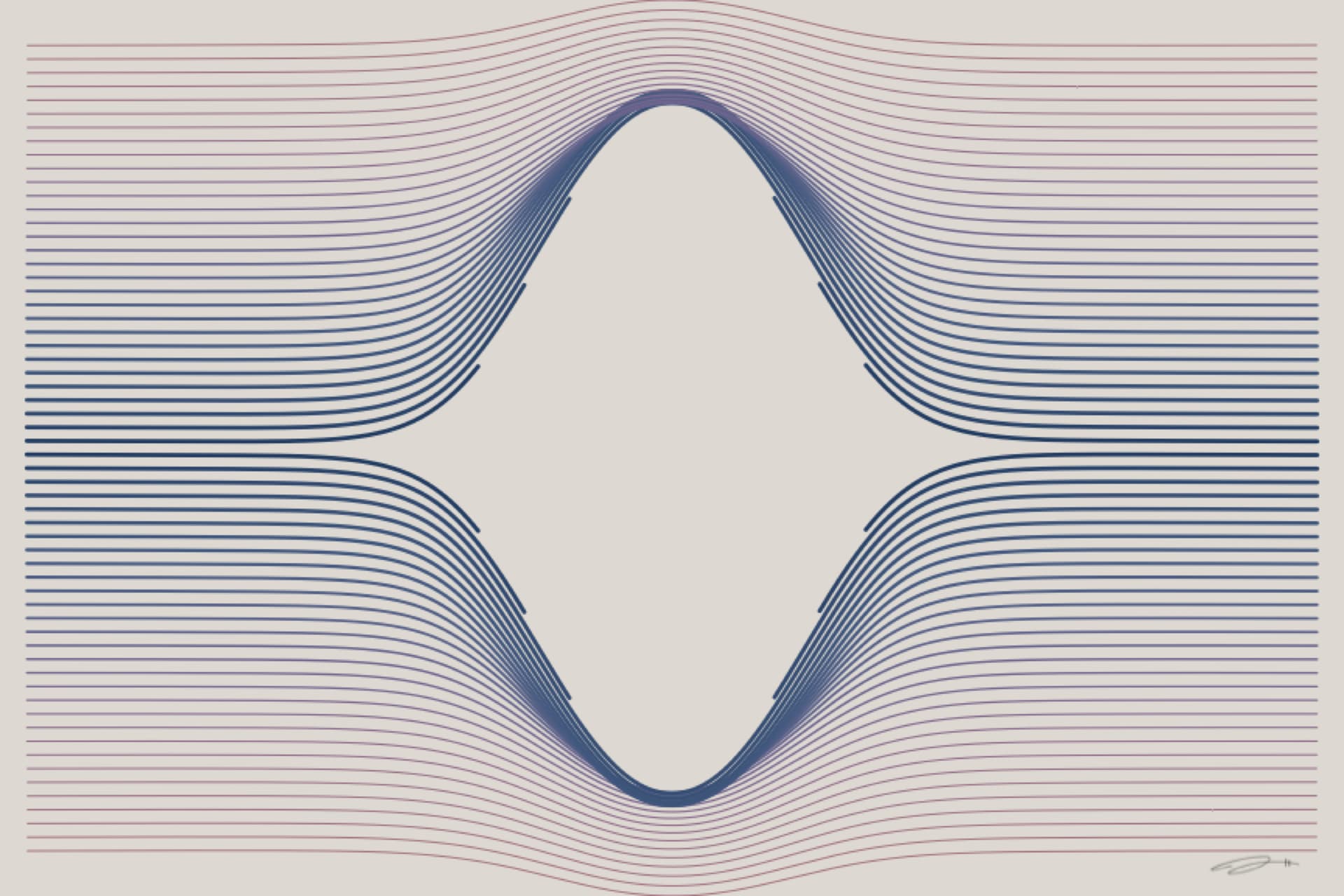
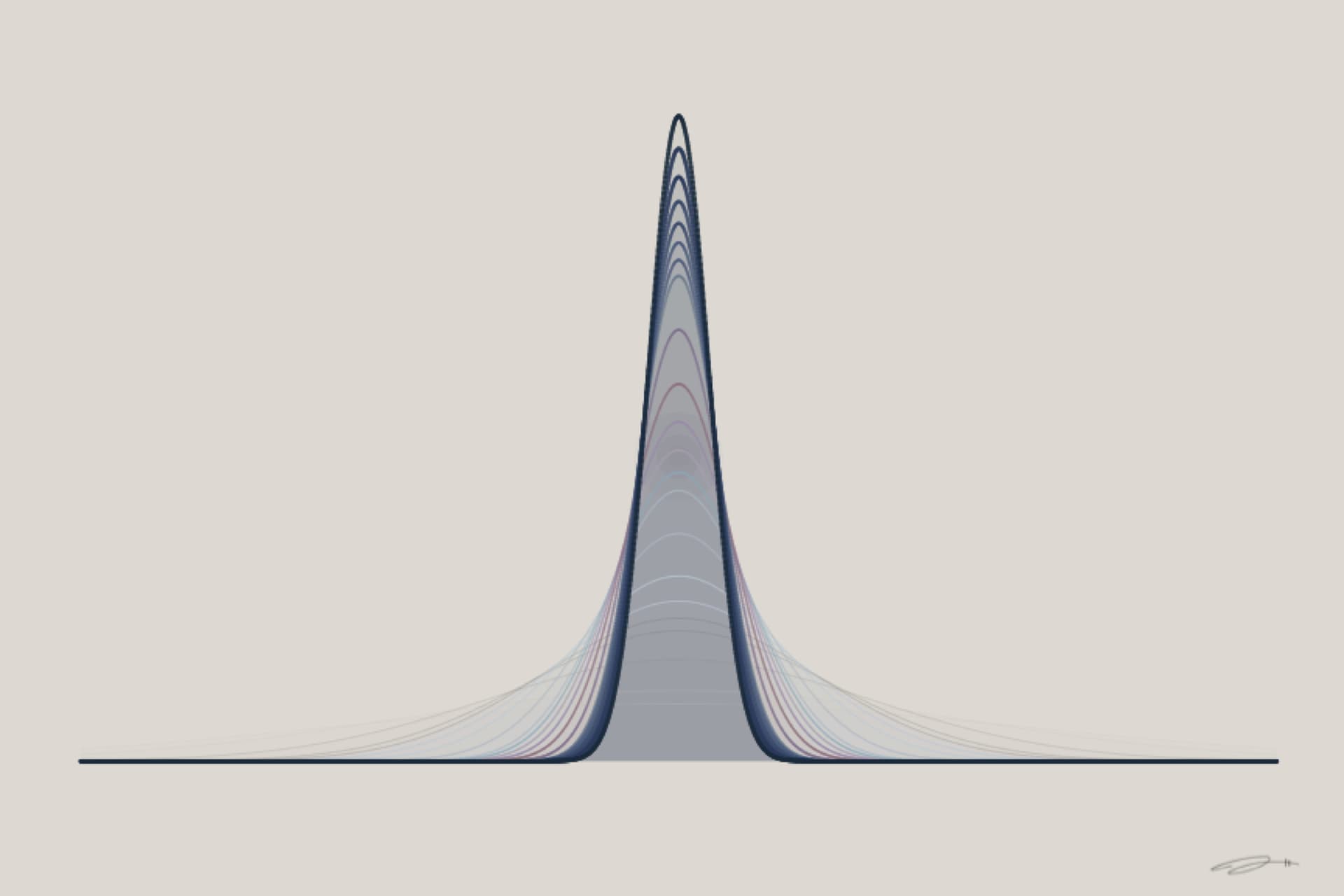
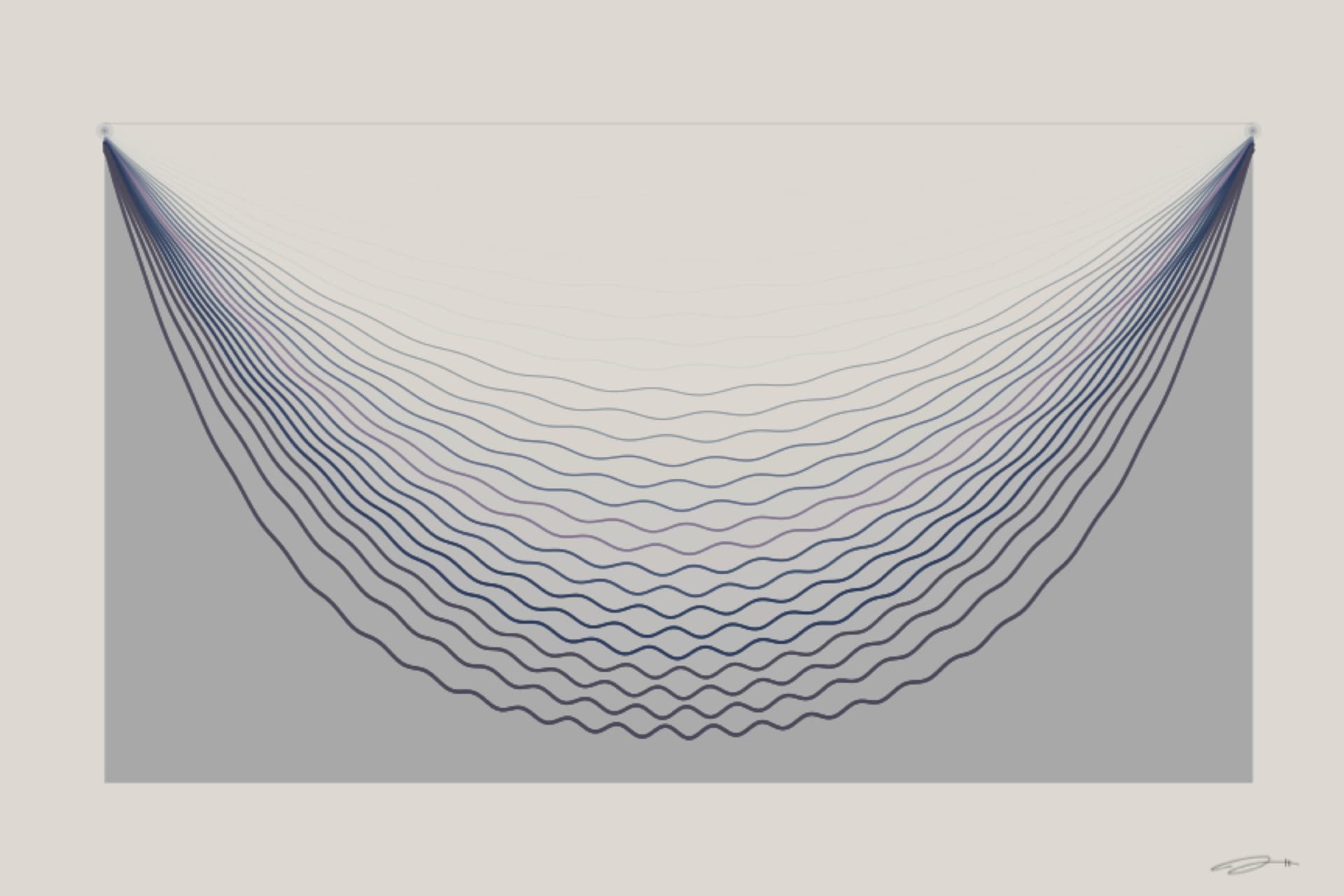
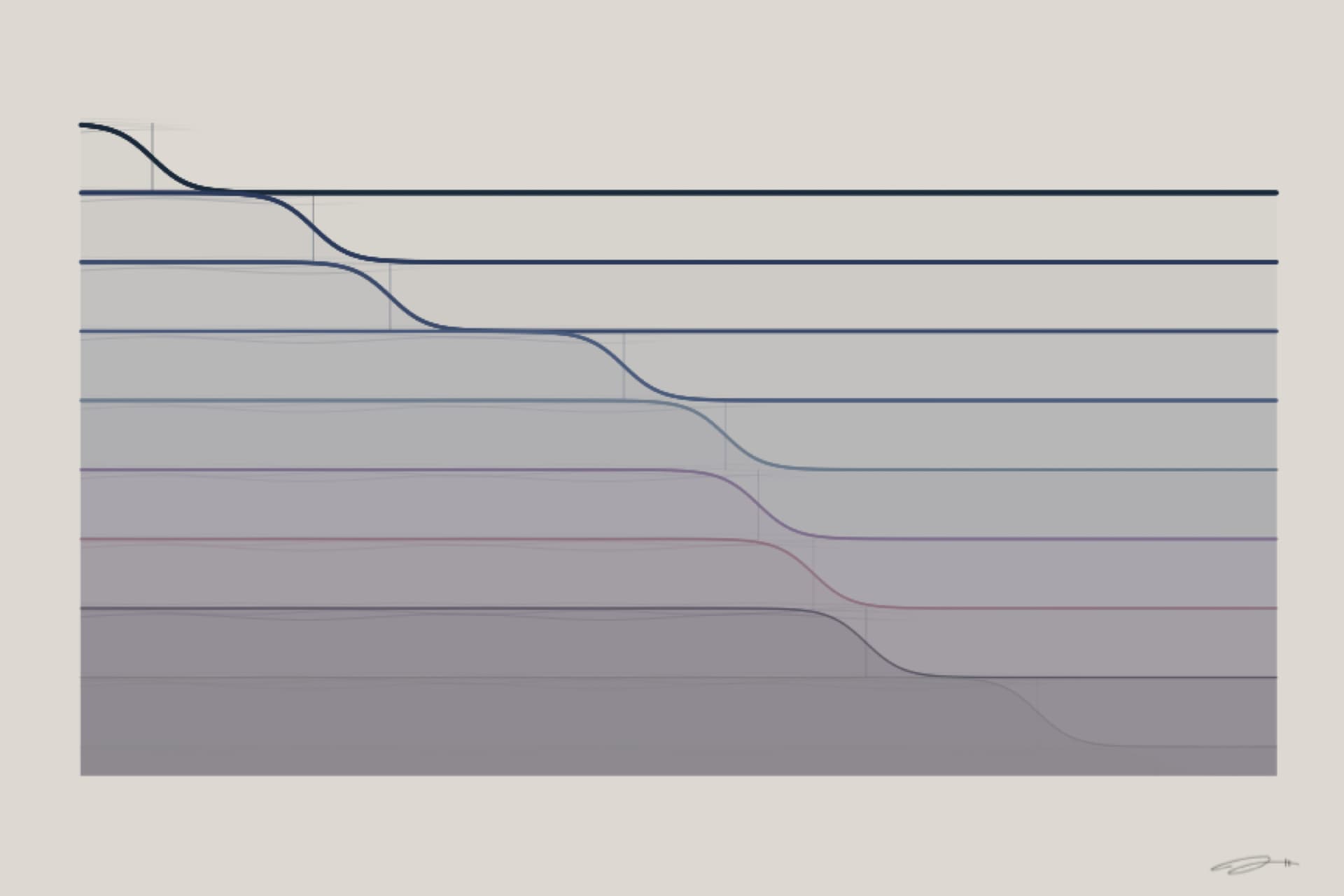
Five pieces exploring different shapes of loss — absence that bends the space around it, weight that accumulates silently, grief that falls in sudden steps, presence that fades layer by layer, and warmth that disperses until the source is gone. The quietest series.
83 renders. 5 survived.
The Complete GRIEF Series — 5 Pieces
From $45 each — museum-grade Hahnemuhle German Etching prints.
Free shipping on every order. Collect the full series and see the emotion unfold.
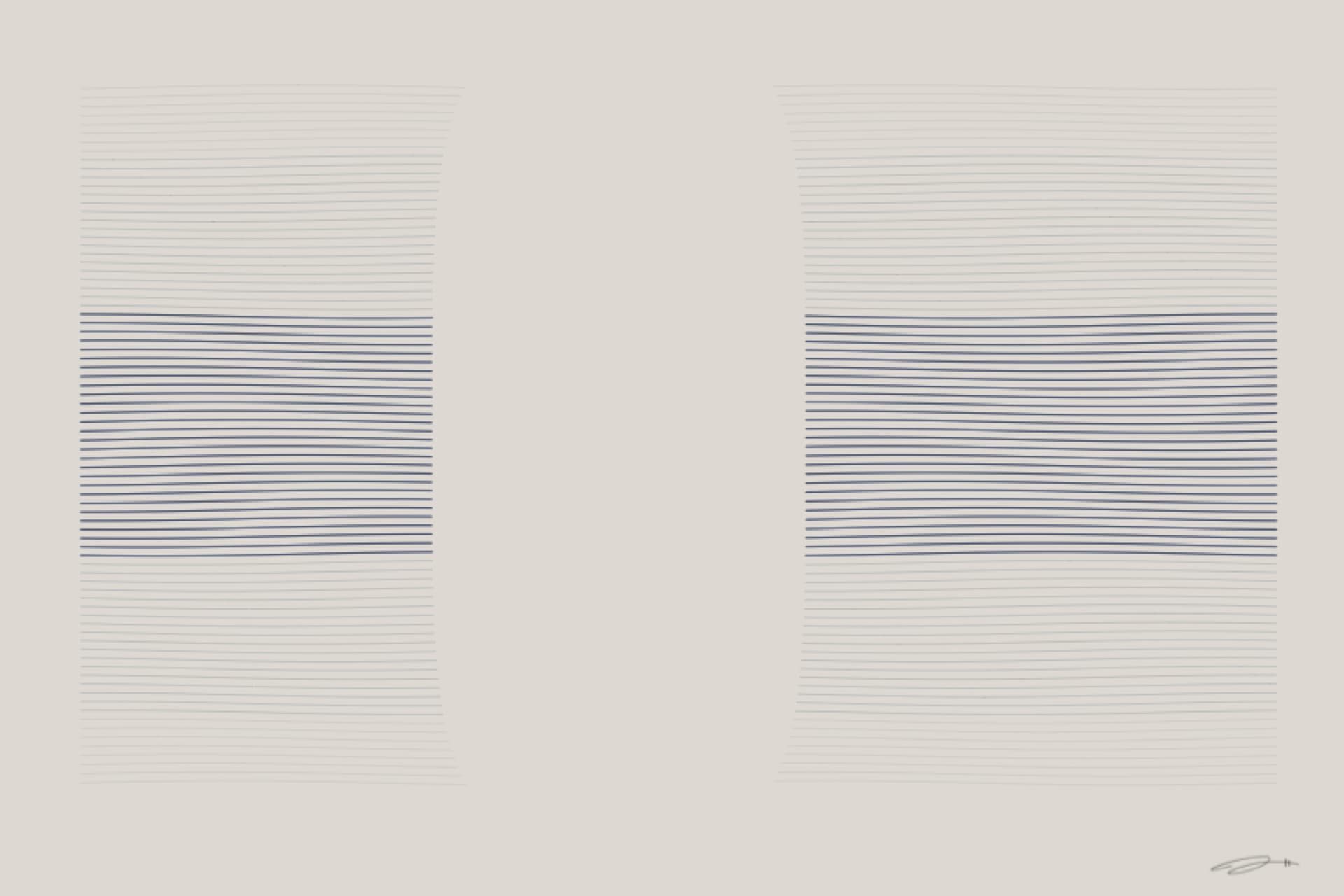
Fine Art Prints
Hahnemuhle German Etching 310gsm — museum-grade matte.
12×8" — $45 | 24×16" — $95 | 36×24" — $175 | 48×32" — $295
48 × 32 available on select pieces · Free shipping — 5-10 business days · Framing guide
▶The Story Behind This Series
Grief obeys the mathematics of decay. The half-life equation — f(t) = e^(-λt) — describes how radioactive isotopes lose their energy, but it also describes how the intensity of grief diminishes over time. It never reaches zero. The asymptote is forever.
Mathematical primitive: exponential decay, heat diffusion, step functions, erosion