CONNECTION
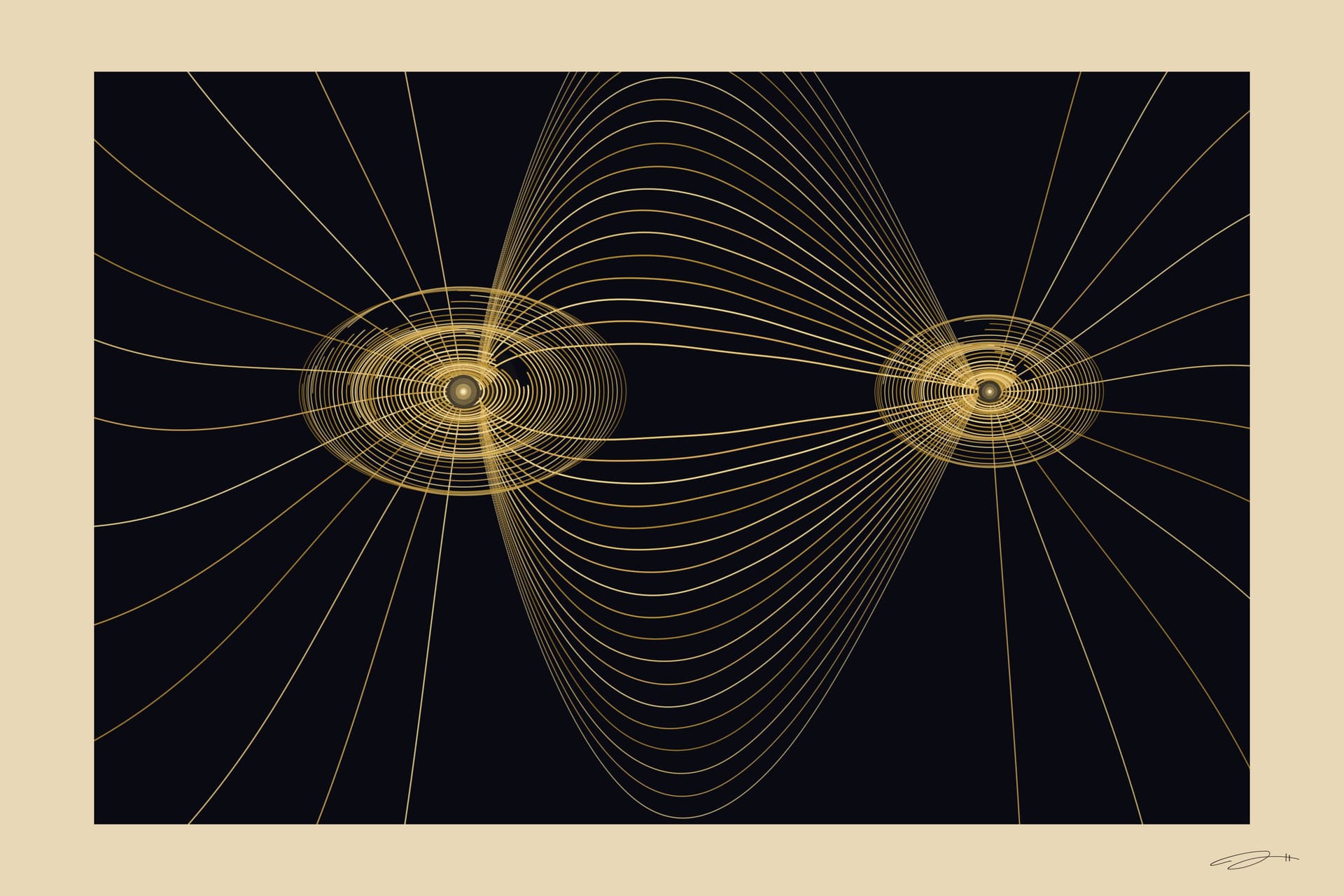
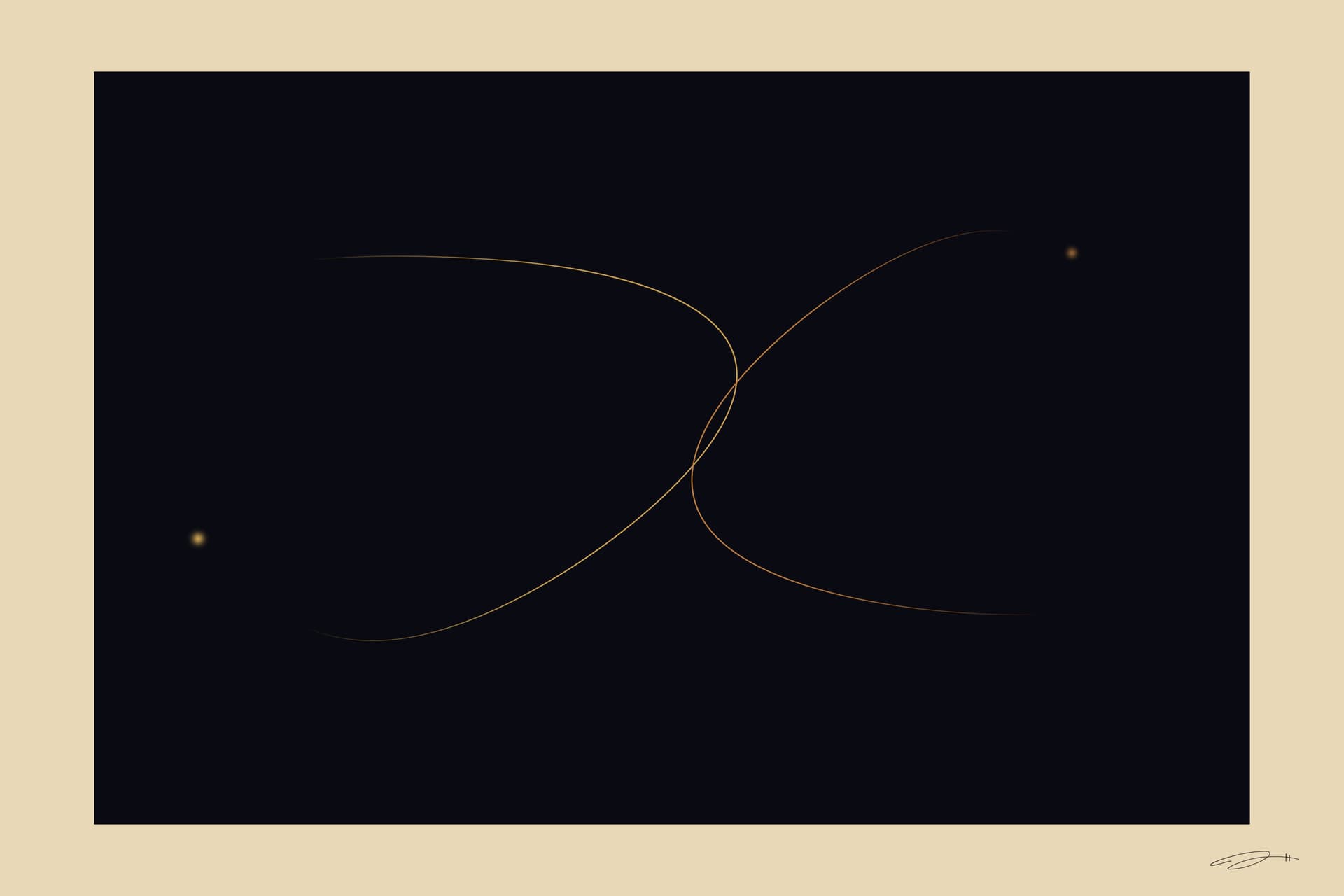
Two forms moving through the same space. Neither leads nor follows. The gap between them is the relationship.
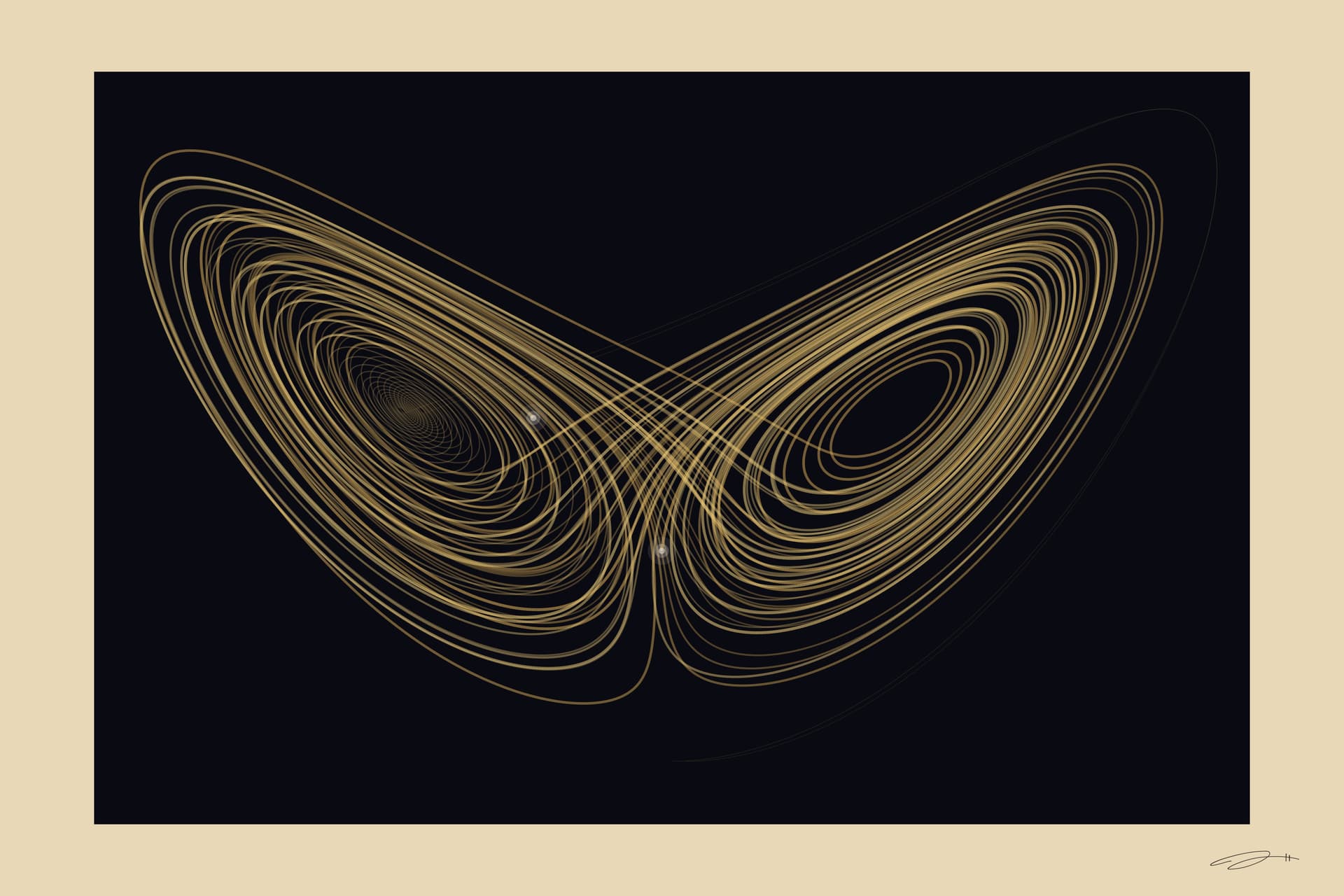
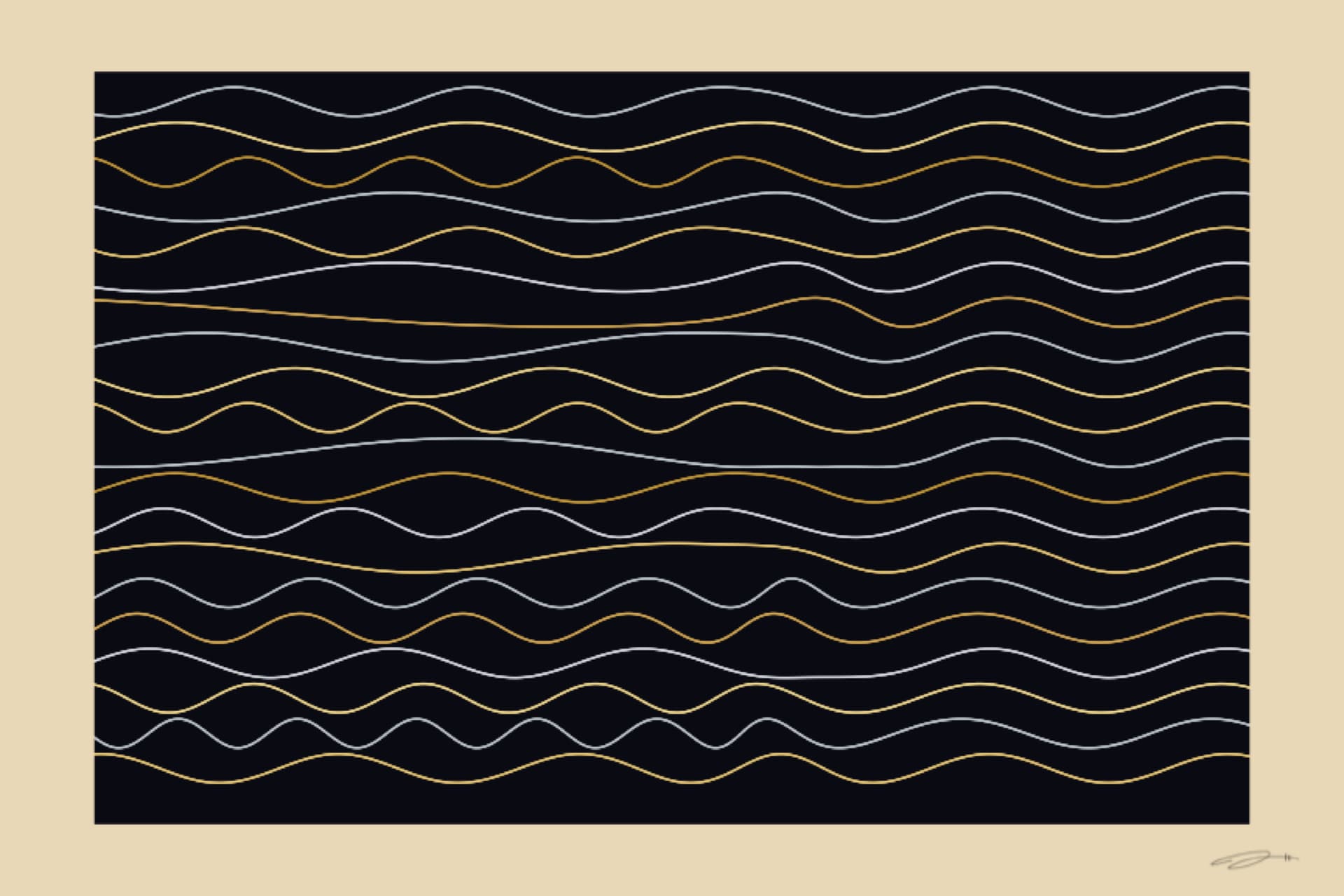
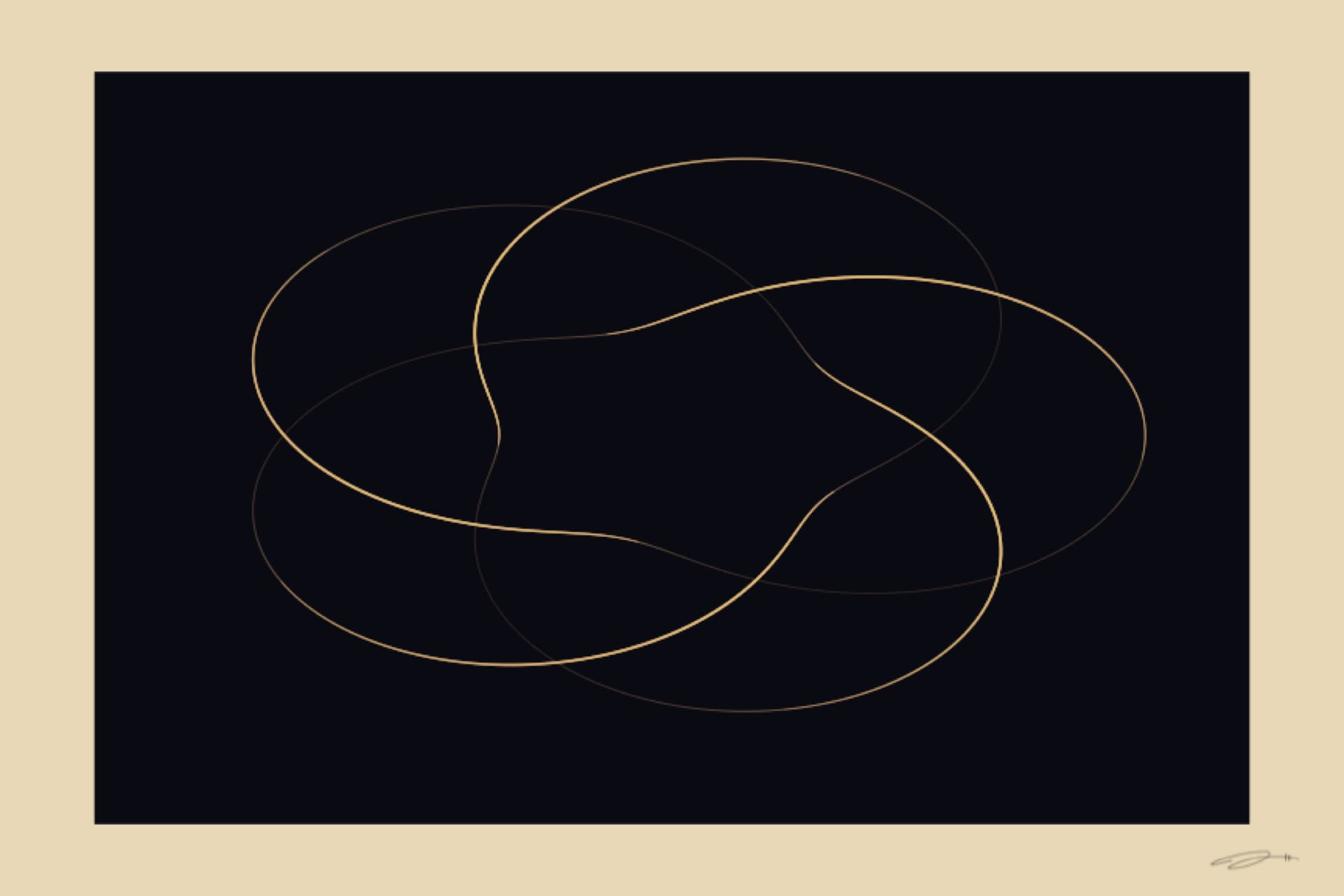
Five pieces exploring different forms of human connection — the pull of attraction, the steadiness of companionship, the dance of reciprocity, the permanence of devotion, and the slow miracle of finding harmony together.
77 renders. 5 survived.
The Complete CONNECTION Series — 5 Pieces
From $45 each — museum-grade Hahnemuhle German Etching prints.
Free shipping on every order. Collect the full series and see the emotion unfold.
Fine Art Prints
Hahnemuhle German Etching 310gsm — museum-grade matte.
12×8" — $45 | 24×16" — $95 | 36×24" — $175 | 48×32" — $295
48 × 32 available on select pieces · Free shipping — 5-10 business days · Framing guide
▶The Story Behind This Series
Connection is not union. It is two separate trajectories that choose proximity. These equations describe that precisely: two systems that influence each other without ever fully merging. The space between them is where the relationship lives.
Mathematical primitive: magnetic fields, orbital mechanics, Lissajous curves, torus knots, Kuramoto synchronization